

Unveiling the Secrets of the Charente: 5 Fascinating Facts about Cognac
Celebrating nearly a decade as a proud resident and enthusiastic ambassador of the Charente, I reflect on the countless guests I've welcomed to my B&B—over 2,500, mostly foreigners—only to discover that 90% of them had never even heard of this breathtaking part of France. As an agent for Maxwell-Baynes - Christie's International Real Estate, I now have the opportunity to help people find a property in this remarkable area, as their permanent or secondary home. Today, I feel compelled to share my ever-growing knowledge about the region, and in particular, an exquisite product known as 'Cognac.'
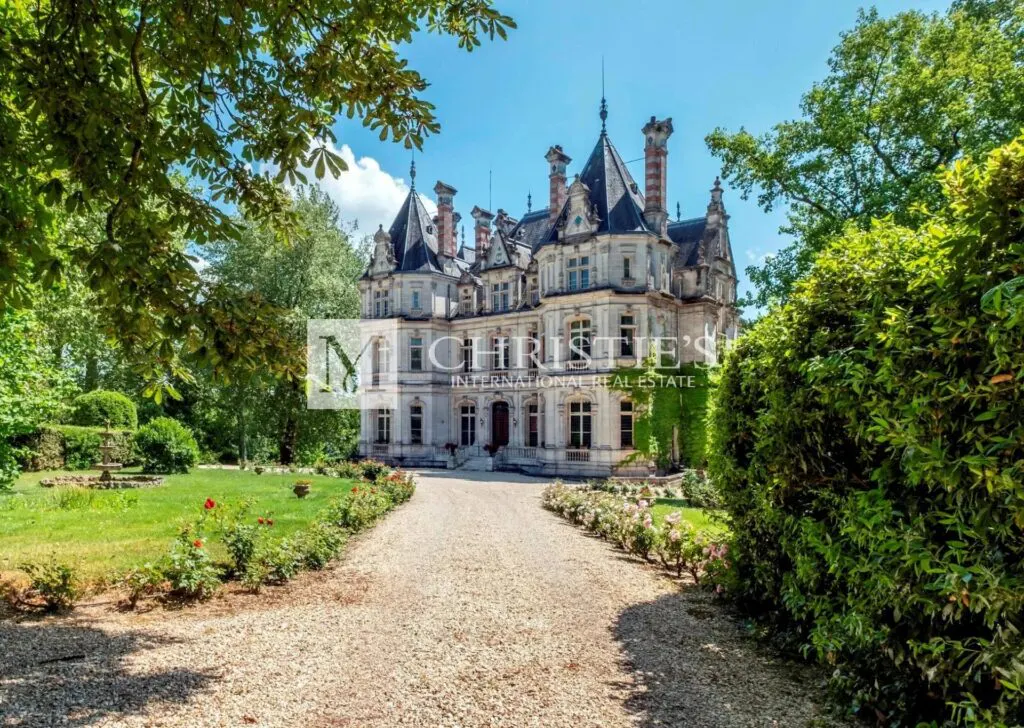
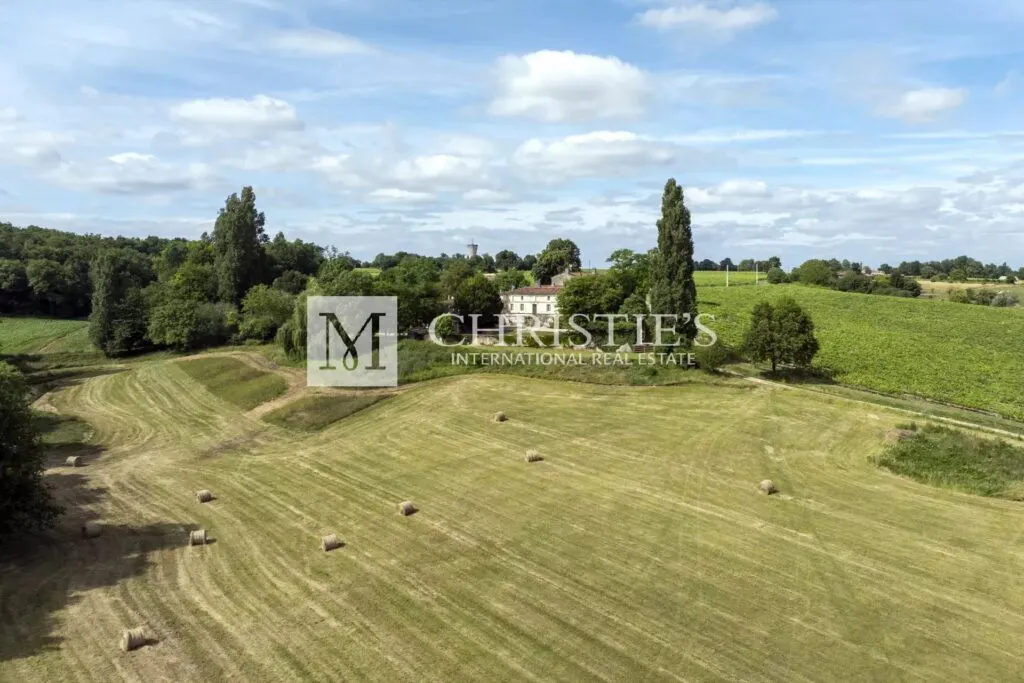
Cognac is not merely the picturesque city nestled along the Charente River, although it certainly possesses undeniable charm. Rather, Cognac refers to the emblematic delicacy that bears the same name—a renowned and cherished product savored across the globe. This remarkable spirit owes its existence to the exceptional terroir of the region, characterized by a gentle and temperate climate, as well as the remarkable talent and passion of its dedicated craftsmen who have been perfecting its production since the 15th century.
Now, let's delve into five intriguing facts about Cognac that you probably didn't know:
- Unlike other renowned spirits, Cognac is derived from grapes. Its production process relies on a meticulous alchemy performed by a team of experts, including winemakers, distillers, coopers, and cellar masters. As a Belgian, I find it hard to admit 😉, but it all started with distillation, a technique introduced in the 15th century by the Dutch. It allowed the wines of Charente to maintain their quality during transportation—an innovation that has withstood the test of time.
- The Cognac vineyard stretches across an expansive 85,000 hectares, making it the largest white-grape vineyard in Europe. This impressive terroir represents a staggering 10% of the entire French vineyard area. Furthermore, as much as 98% of this vast vineyard consists of a single grape variety—the Ugni Blanc.
- Cognac's uniqueness stems from its double distillation process in copper stills heated directly by an open flame. This intricate method requires distilling a whopping seven liters of wine to produce a single liter of the exquisite eau-de-vie.
- As Cognac matures within oak barrels, its alcoholic content and volume gradually diminish. This natural phenomenon, often romanticized as "the angels' share," refers to the significant evaporation that takes place. Astonishingly, this ethereal evaporation is substantial enough to fill a staggering 22 million bottles each year—a gift to the fortunate angels, one might say.
- A remarkable testament to its global popularity, 98% of all Cognac is exported to 160 countries worldwide. Annually, over 200 million bottles embark on a journey to every corner of the globe. In fact, this translates to an astounding seven bottles sold per second internationally!
These captivating snippets merely scratch the surface of the wonders that Cognac holds. Today, several hundred Cognac houses and distilleries open their doors to the public, offering an enticing invitation to explore their storied establishments. While iconic brands like Hennessy, Martell, Rémy Martin, and Courvoisier are well worth a visit, don't overlook the abundance of small, family-run distilleries nestled just around the corner. They, too, possess an unwavering passion and dedication to crafting an extraordinary product. And what's not to adore about that? Cheers!
Written by Olivier Demessemakers
Independent Agent
Christie’s International Real Estate
Other stories for you
The latest news and updates on the Real Estate market from Maxwell-Baynes

Bentley Motors has understood the luxury market for a very long time recognising the value of ensuring that their brand remains at the top of the luxury family tree. Today we are excited to launch the next step in our efforts to building partnerships with credible brands serving the ultra-high net worth community.

At Maxwell-Baynes, we believe that real estate offers a stable environment and with continuing efforts by Central Banks to stimulate growth and keep interest rates low, this backdrop should be supportive for property. Early evidence suggests that Asian interest is spreading from Vineyards to other Chateaux.

You may have asked yourself what qualities and criteria does a Chartreuse need to have to merit this descriptive name, and what is the historical background. The French dictionary describes a chartreuse as being “a country house, often elongated and one-storey, in the south West of France”.

Bordeaux is on the move and every indication points to growth. It is an exciting time to live in this wonderful city and judging by the vast number of construction sites and cranes dotted across the city centre, investors also believe that this jewel amongst the vines is about eat and drink better than ever before.