

Dordogne History - The Bastide towns of Aquitaine
The Dordogne region is famous for its historic fortified towns, known as bastides. They were founded by the English kings and by local feudal landlords as part of the continual challenges to the authority of the descendants of Henry II, following his marriage in 1152 to Eleanor of Aquitaine.
The Dordogne region is famous for its historic fortified towns, known as bastides. They were mostly built during the reigns of King Henry III of England and his son Edward I. They were founded by the English kings and by local feudal landlords such as Raymond, Count of Toulouse, as part of the continual challenges to the authority of the descendants of Henry II, following his marriage in 1152 to Eleanor of Aquitaine. Aquitaine was at the time one of the wealthiest regions in Europe, and therefore a substantial asset to the kings of England for the next three hundred years until the endof the Hundred Years War in 1453. Being a predominantly rural economy the majority of houses in the Dordogne were located in or close to these bastide towns around a market square for commerce.
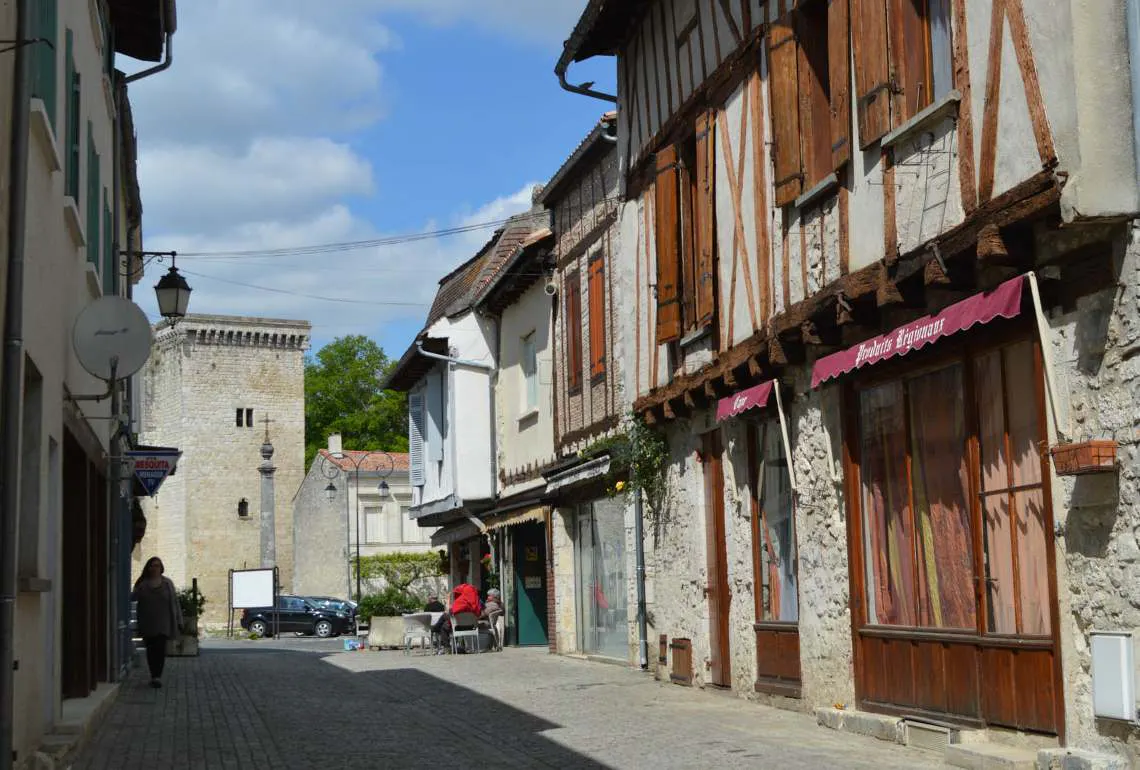
The bastides were defended towns planned on a straightforward rectangular grid. The towns were typically defended by perimeter walls and centred around a market square, often with a covered section, known as les halles - a number of towns still retain these most attractive structures. Each bastide was founded on the basis of a charter. Land was generally provided by the founder, king or nobleman. Legal rights and subsidies were granted to those who contributed to the building of the towns. In return the founder could raise taxes to finance military campaigns and also levy troops. Henry III built the town of Lalinde in 1267, and Pellegrue a decade later. The latter was built on a Gallo-Roman site, and has a beautiful covered market, inspired by the work of Gustave Eiffel, and a 12th century church. His wife Eleanor of Provence founded Monségur in 1265, the only bastide town in Gironde to have been built on a hill and providing magnificent views over the Dropt Valley. It is still keeper of the “Esclapot”, a wood-bound book containing the town’s foundation charter.
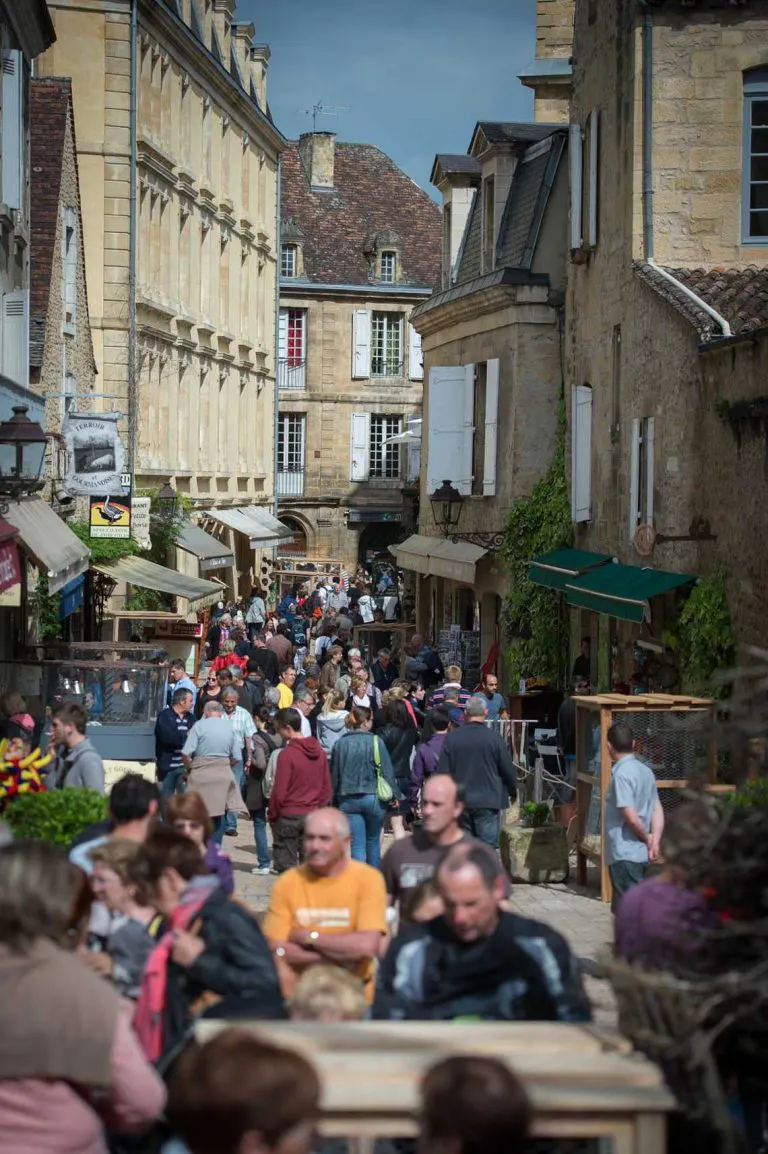
Edward I was one of history's most active property developers, motivated by the need to settle and subjugate the more troublesome regions of his kingdom, notable Wales and Aquitaine. In Wales, he constructed the impressive castles of Caernafon, Harlech, Conwy and Beaumaris, each being integrated with a bastide town following the same successful formula as in the Dordogne. This development has had a marked effect defining how we live in the Dordogne today with the chateaux of Dordorgne providing the seat of power and the country houses of Dordogne being in or near the bastide towns. Of the several bastide towns which Edward founded in Aquitaine, Monpazier is today the finest. It was started in 1284, with the assistance of Pierre de Gontaut, whose family owned Chateau de Biron and its surrounding lands, one of the most impressive chateaux in the Dordogne. Edward also founded Beaumont-du-Périgord and Molières, an area which today boasts a number of impressive chateaux and country houses. Libourne, founded by Edward in 1268, was the only bastide town in Gironde to be built on the right bank of the Dordogne. In its day, it played a major role in the region’s economy, for this was where produce from the hinterland of the Isle and Dordogne valleys was loaded on to ships bound for the high seas. It continued to be a strategically important base in later years for the Black Prince, who held the French King Jean II captive there following the Battle of Poitiers.
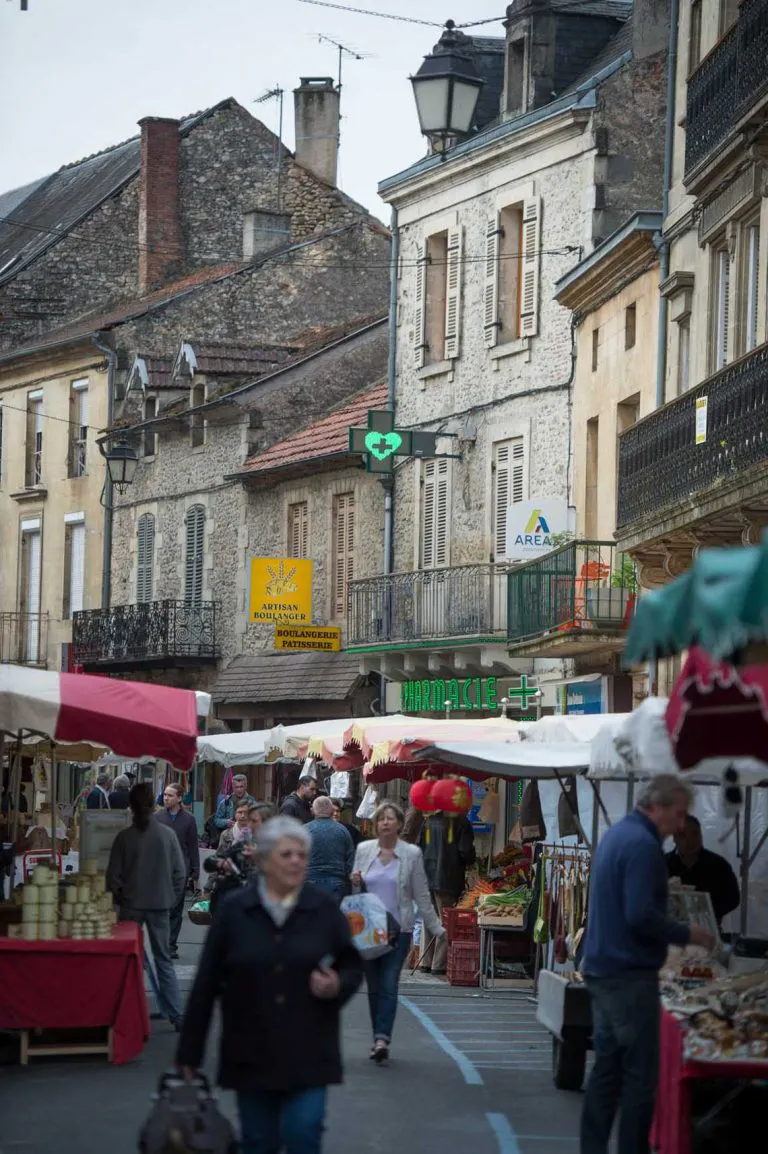
Edward built Sauveterre-de-Guyenne in 1281. The town changed hands ten times during the course of the Hundred Years’ War, finally becoming French in 1451. Its arcaded central square is still in existence, along with four listed gateways through its walls. The English kings were not the only developers of bastide towns. Raymond, Count of Toulouse and brother of Louis IX of France, built Monflanquin, Eymet, Villeréal and Castillonés during the period 1256-1270. Eight hundred years on, those of us who live in and visit these beautiful old towns can only marvel at their beauty and charm, and reflect on the energy and vision of those great men and women who created them. Most of the Dordogne chateaux for sale and Dordogne country houses for sale are near to one or more of these towns. Their markets, restaurants and cafés provide ample scope for enjoyment and interest.
Other stories for you
The latest news and updates on the Real Estate market from Maxwell-Baynes


Exhibition in Bordeaux: 'Gestes Alchimiques' brings together four artists in a shared quest for meaning, blending spirituality and...

Does this type of French country house fill your dreams? Well it is very real, and very beautiful. It has 370 m² of living area on 3 levels with 6 bedrooms and 4 bathrooms. It is a lovely, symmetrical house with plenty of original features and has been sympathetically restored to create a very comfortable family home.

At Maxwell Baynes, we believe now is the time to buy in Bordeaux thanks to the European recovery, a weak euro and quantitative easing. The luxury real estate market has remained flat now for at least three years but we believe that there has never been a better time to look at real estate in the Bordeaux region.